A Malaysian Youth's Vision for the Nation
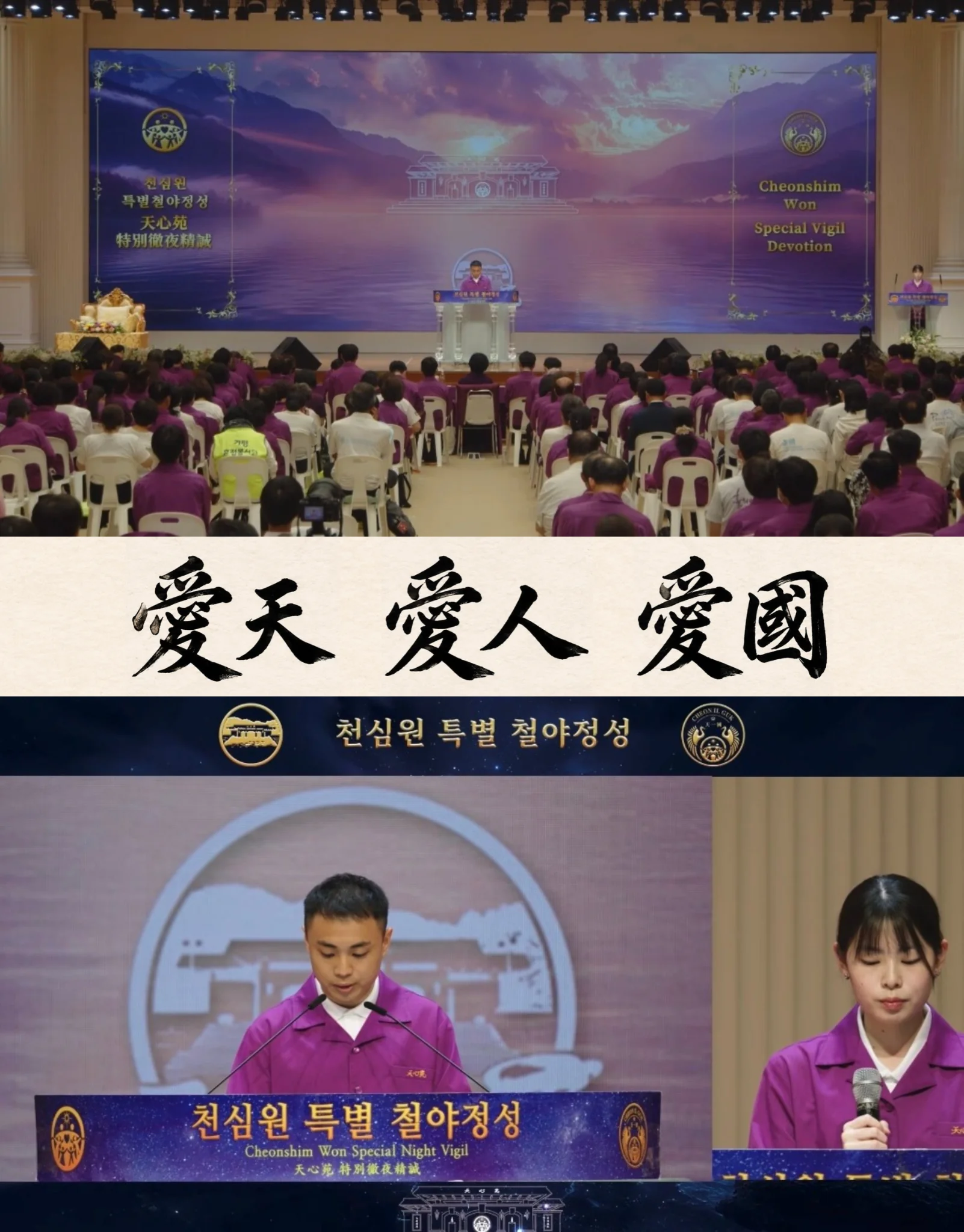
On July 8, 2026, I had the privilege of standing on a global stage to share my life testimony, titled “From Brokenness to a New Beginning.” Approximately 1,000 people were present, while another 40,000 people from six continents watched via live broadcast. I shared with the world how I had risen again from the brokenness in my life, hoping that my story could bring hope to more people.
A year and a half of reflection has further strengthened my belief that just as a person's life can begin anew after being broken, a nation, too, can find new hope amid chaos and division. A new beginning in life is not merely about changes in our external circumstances, but also about the renewal of our inner thoughts and values. Likewise, if a nation is to experience genuine renewal, it cannot rely solely on changes in political systems or leadership. True renewal must begin with a transformation of people's hearts and the culture of society.
In life, happiness has always been waiting for us, yet we often fail to find it. This is because greed clouds our vision, preventing us from seeing an entire mountain of gold ahead of us. Instead, we focus only on picking up the tiny pieces of gold right before our eyes, without even realizing that our pockets have burst from being overfilled. Similarly, when we look at Malaysia today, we see a nation blessed with abundant resources, diverse cultures, and limitless potential, yet one that has long been entangled in political struggles, racial divisions, and religious controversies. We continue fighting over immediate interests while overlooking the true future of our nation.
Looking back on nearly 70 years since Malaysia gained independence, we cannot deny that progress has been made. Yet struggles for political power have caused many politicians to lose sight of their original purpose, slowing the nation's progress. Race and religion remain central issues in political debates, while many matters that truly affect national development and the well-being of the people are neglected amid endless disputes. We seem to be constantly pursuing change, yet remain unable to break free from the political thinking of the past.
Existing political parties are also divided by internal power struggles and factional conflicts. Those who once fought side by side now stand against one another. How is this any different from the us-versus-them mentality created by divisions during war? If a political party cannot even resolve its own internal disagreements, how can it lead an entire nation toward unity? We often assume that establishing a new political party, adopting a new name, or introducing a new slogan will bring fresh hope to the country. However, if the thinking of politicians remains unchanged and the political culture of competing for power and personal interests continues, then no matter how many new parties are formed, it will simply be division after division and reorganization after reorganization. What Malaysia truly needs is not more political parties and factions, but a shared vision that transcends political, racial, and religious boundaries, together with leaders who genuinely put the interests of all Malaysians first.
I believe that the division of a nation often begins with division within the human heart. When someone constantly speaks of unity while repeatedly creating conflict through their actions, it reflects a lack of harmony between their inner conscience and outward behavior. In a family, if everyone insists only on their own position, family bonds may eventually be lost. In a nation, if everyone defends only the interests of their own race, religion, or political party while forgetting their shared responsibilities, how can genuine unity ever be achieved? When inner conflicts remain unresolved, they may spread from individuals to families, from families to society, and eventually develop into divisions across an entire nation.
This is why I have always believed that all the turmoil in human society, including political struggles, social conflicts, and broken families, originates from the disharmony between the human heart and its desires. When conscience is overshadowed by selfish desires, and power is placed above true love, even the most sophisticated political systems cannot bring lasting peace. Perhaps genuine change begins with rediscovering, amid the distractions of the world, a heart as pure, kind, and humble as that of a child. Such a heart is not blinded by power or fame and never forgets the original desire to serve the people. Only when we let go of selfish desires can we clearly see the ideals truly worth pursuing.
The philosophy I strive to live by is “Love Heaven · Love People · Love Country.” To Love Heaven means to revere Heaven, follow conscience and truth, and make noble spiritual values the guiding principles of life. This also resonates with the first principle of Malaysia's Rukun Negara, “Belief in God.” To Love People means to transcend racial, religious, and national boundaries, care for others with true love, and devote ourselves to the happiness of humanity. To Love Country means to cherish our nation and its people, rise above the interests of race, religion, and political parties, and willingly take responsibility for everyone who calls this land home. Love Heaven, Love People, and Love Country should never remain mere slogans. They should become a way of life practiced by every leader and every citizen.
Furthermore, three principles have profoundly influenced my journey of learning and growth. The first is “High Noon Settlement,” which teaches us to live a life without shadows, a life of integrity, honesty, openness, and a clear conscience. The second is “Shed blood for Heaven, sweat for the earth, and tears for humanity.” Blood, sweat, and tears shed solely for ourselves can never rise above personal interests. Only a life devoted to others, society, and the nation carries truly noble value. The third is “One Family under God.” Regardless of differences in language, race, culture, or religion, all human beings are brothers and sisters connected as one human family. True unity has never been about eliminating differences, but about discovering a love that brings us together despite those differences.
These principles have also strengthened my conviction that genuine peace cannot be achieved through political power alone, nor through religious influence alone, nor through scientific advancement alone. Only when these three forces come together can we move toward peace. Only then can we transcend racial, religious, and political barriers and guide Malaysia, and indeed all humanity, toward a future of true peace and happiness. Power without conscience can easily become a struggle for control. Faith without love can become an empty formality. Progress without compassion and concern for humanity may also lose its direction. And the starting point of every meaningful change is whether we are willing to change ourselves first.
As a Malaysian youth, I do not wish to limit my vision to the political disputes within our country, nor do I want the next generation to continue carrying the burden of racial and religious divisions. Our generation should take responsibility, guided by conscience and action, and become builders of national unity rather than mere bystanders to political conflicts. The world is vast. Only by breaking free from outdated political thinking and reexamining our nation from a global perspective can we create a different future for Malaysia.
Therefore, I hope that Malaysia's younger generation will embrace greater aspirations. We should not be satisfied with merely becoming representatives of a particular ethnic community, supporters of a particular political party, or successful individuals in a particular profession. Instead, we should look beyond our borders and make the world our stage. A great ocean welcomes a hundred rivers, and true greatness comes from embracing diversity. Only with hearts broad enough to embrace the world can we transcend our own limitations and become true global leaders who care for all humanity.
Malaysia's future should be shaped by the development of political leaders capable of leading the United Nations, diplomatic leaders capable of resolving conflicts in troubled regions, and servant leaders like Mother Teresa, who devoted her entire life to those who suffered. The true greatness of young people lies not in how much power they eventually possess, but in how much hope they can bring into the lives of others.
What I envision is a Malaysia that truly lives out the spirit of “One Family under God.” A Malaysia where Malays, Chinese, Indians, Ibans, Kadazan-Dusuns, and all other ethnic communities can preserve their own cultures and beliefs while sincerely recognizing one another as Malaysians who share the responsibility of building this nation. I look forward to a day when we no longer feel anxious about the size or proportion of our respective ethnic populations, nor measure each other's status or future by ethnic numbers. Instead, regardless of the ethnic blood that runs through our veins, we will all carry the same Malaysian heart.
More than anything, I hope that one day we can share a different story with the world, the story of a nation once troubled by political disputes, racial barriers, and religious divisions, yet which learned to transcend those boundaries and move from division to unity, from confrontation to peace. May our generation leave behind for the next a nation that is truly free, peaceful, united, and filled with happiness, a Malaysia that belongs to every Malaysian.